FOLLOW US

SEARCH SITE BY TYPING (ESC TO CLOSE)

Mallorca, Spain | Email: hello@fabeventslab.com
+34 971 14 26 35en
esde

Skip to Content

Your Dream Day in the Sun: Expert Tips for Choosing the Perfect Wedding Venue in Mallorca

Mallorca, the jewel of the Balearic Islands, offers a breathtaking backdrop for your special day. Imagine exchanging vows with the sparkling Mediterranean Sea as your witness, surrounded by ancient olive groves, historic fincas, or chic beachfront terraces. The island’s diverse landscapes provide a canvas for every wedding vision, from intimate elopements to grand celebrations. However, with so many stunning options, choosing the perfect wedding venue can feel overwhelming. This guide will equip you with essential tips and considerations to navigate the process, ensuring your Mallorcan wedding is everything you’ve dreamed of and more.

According to a report by the Spanish National Statistics Institute (INE), destination weddings are on the rise, with couples seeking unique and memorable experiences. Mallorca consistently ranks as a top choice for international couples due to its stunning beauty, excellent infrastructure, and romantic ambiance. The island boasts a unique blend of natural splendor and refined elegance, from the dramatic Serra de Tramuntana mountains to the idyllic coves and vibrant towns.
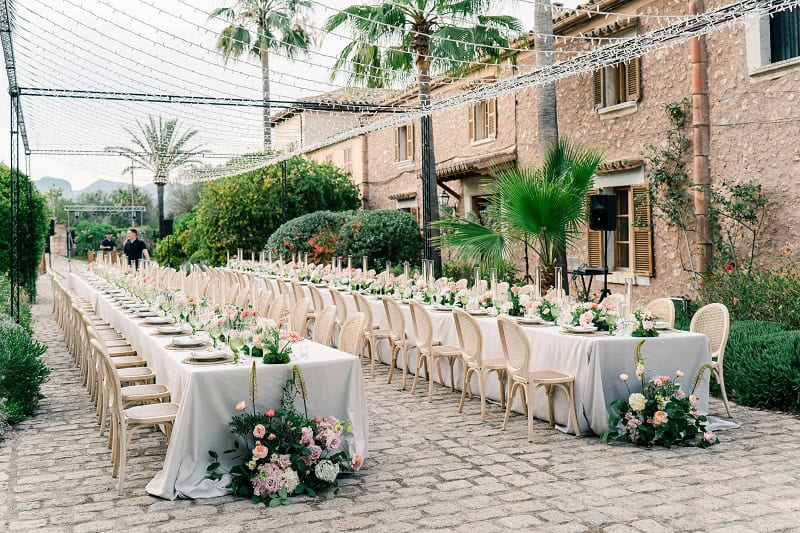
Understanding Your Wedding Vision: The Foundation of Your Choice

Before you even start browsing venues, the most crucial step is to clearly define your wedding vision. This involves introspection and honest conversation with your partner. Ask yourselves:

  • What is our overall style and theme? Are you envisioning a rustic, bohemian affair, a glamorous and sophisticated event, a relaxed beach party, or a traditional, elegant ceremony? Mallorca offers venues that perfectly suit each of these styles.
  • What is our estimated guest count? This is a critical factor that will immediately narrow down your venue options. A small, intimate gathering will have different needs than a large celebration of 150+ guests.
  • What is our budget? Be realistic about what you can afford for the venue, including any associated costs like catering, decorations, and accommodation. Venue rental fees can vary significantly.
  • What time of year are we getting married? Mallorca enjoys a long wedding season, typically from April to October. However, the weather can differ. Summer months (July-August) are very hot, while spring (April-June) and autumn (September-October) offer more pleasant temperatures and fewer crowds.
  • What kind of atmosphere do we want to create? Do you want a lively party atmosphere, a romantic and intimate setting, or a sophisticated and formal occasion?

Once you have a clear understanding of these core elements, you can begin your venue search with confidence.

Start Planning Your Mallorca Wedding Today

Plan an unforgettable Mallorca wedding with exclusive venues, tailored experiences, and expert support every step of the way.

Key Venue Features to Consider in Mallorca

Mallorca offers an incredible variety of wedding venues, each with its own unique charm and advantages. Here are some of the most popular types and what to look for within each:


1. Historic Fincas and Estates

Mallorca is dotted with beautiful, traditional fincas – country estates that often feature stunning architecture, sprawling gardens, and a sense of timeless elegance. These venues are perfect for couples seeking a romantic, rustic, or classic wedding.

What to look for:

    • Authenticity: Does the finca retain its original character and architectural charm? Look for exposed stone walls, wooden beams, traditional courtyards (patios), and manicured gardens.
    • Space and Layout: Are there distinct areas for the ceremony, reception, and dancing? Consider indoor and outdoor options in case of unpredictable weather.
    • Accommodation: Many fincas offer on-site accommodation for the wedding party or close family, which can simplify logistics.
    • Views: Does the finca offer picturesque views of the surrounding countryside, vineyards, or even the distant sea?
    • Catering Options: Some fincas have in-house caterers, while others allow you to bring in external vendors.

Example: A finca nestled in the rolling hills near Alaró or Binissalem can offer an incredibly authentic Mallorcan experience, complete with vineyards and olive groves.


2. Coastal and Beachfront Venues

For couples dreaming of a wedding with the sound of waves as your soundtrack, Mallorca’s coastline offers spectacular options. From chic beach clubs to luxury hotels, these venues provide a relaxed yet sophisticated atmosphere.

What to look for:

    • Ceremony Location: Is there a dedicated space for the ceremony on a terrace overlooking the sea?
    • Reception Area: Can the reception be held outdoors with sea views, or is there an indoor option? Consider the ambiance at sunset.
    • Accessibility: How easy is it for guests to reach the venue? Is there adequate parking?
    • Permits and Restrictions: Weddings in Mallorca may require special permits, and there might be noise restrictions or time limitations.
    • Backup Plan: A robust backup plan for inclement weather is absolutely essential for any outdoor venue, especially on the coast.

Example: Venues along the coast of Bendinat, Portals and Calviá offer stunning sea views.


3. Luxury Hotels and Resorts

Mallorca boasts world-class hotels and resorts that offer comprehensive wedding packages, catering to couples who desire convenience, impeccable service, and luxurious amenities.

What to look for:

    • All-Inclusive Packages: Some hotels offer packages that include venue rental, catering, drinks, and sometimes even décor and entertainment, simplifying the planning process.
    • Variety of Spaces: Hotels often have multiple event spaces, from elegant ballrooms to rooftop terraces and garden areas, offering flexibility for different parts of your wedding.
    • Guest Accommodation: The obvious advantage is that your guests can stay on-site, making logistics much easier.
    • Services: Look for hotels with experienced wedding coordinators, excellent catering teams, and a reputation for high-quality service.
    • Location: Consider whether you prefer a hotel near Palma, or a more secluded luxury retreat.


4. Vineyards and Wineries

Mallorca’s burgeoning wine scene offers unique and romantic venues for wine-loving couples. Imagine celebrating amidst rows of grapevines with a tasting of local wines.

What to look for:

    • Vineyard Views: The primary appeal is the picturesque setting. Ensure the venue offers beautiful vistas.
    • Wine Tasting Experience: Can you incorporate a wine tasting as part of your reception or pre-wedding events?
    • Ambiance: Wineries often exude a rustic yet sophisticated charm, perfect for a relaxed yet elegant celebration.
    • Catering: Check if they have in-house catering or if you can bring in external suppliers.

Example: The Binissalem region is renowned for its wineries, offering charming and atmospheric venues.


5. Unique and Boutique Venues

Beyond the traditional options, Mallorca offers a wealth of unique venues that can make your wedding truly one-of-a-kind. This could include historic castles, botanical gardens, or even exclusive villas.

What to look for:

    • Distinctiveness: Does the venue reflect your personality and offer something unexpected?
    • Capacity: Ensure the unique venue can comfortably accommodate your guest list.
    • Logistics: Be prepared for potentially more complex logistics with less conventional venues. Do they have adequate facilities for catering, restrooms, and potentially accommodation?
    • Exclusivity: Many villas offer exclusive use, providing privacy and a sense of a private party.

Example: Consider renting a luxurious private villa with stunning sea views for an intimate and exclusive celebration.

Find Your Dream Wedding Venue in Mallorca

Practical Considerations When Choosing Your Mallorca Venue

Once you have a shortlist of potential venues, it’s time to delve into the practicalities.


1. Site Visits: Seeing is Believing

  • Schedule Visits: If possible, visit your top venue choices in person or arrange a guided site tour with your wedding planner. This is the best way to get a feel for the space, the atmosphere, and the surrounding area.
  • Go Prepared: Bring a list of questions (see below), a camera, and perhaps a measuring tape if you have specific décor ideas.
  • Visualize Your Day: Walk through the venue and imagine your ceremony, cocktail hour, and reception taking place there. Consider the flow of guests and the overall ambiance at different times of the day.
  • Check Out the Surroundings: Is the venue easily accessible? What is the neighborhood like? Are there any potential noise disturbances?


2. Understanding Contracts and Costs

  • Get Everything in Writing: Never rely on verbal agreements. Ensure all details, costs, inclusions, exclusions, and terms are clearly outlined in the contract.
  • Read the Fine Print: Pay close attention to cancellation policies, payment schedules, insurance requirements, and any restrictions on external vendors, décor, or music.
  • Hidden Costs: Ask about potential hidden costs such as taxes, overtime charges, or extra fees for specific amenities.
  • Payment Schedule: Understand the deposit requirements and the schedule for subsequent payments.


3. Guest Experience and Logistics

  • Accessibility for Guests: Consider the accessibility for elderly guests or those with mobility issues. Are there stairs? Is the terrain difficult?
  • Accommodation: If the venue doesn’t offer on-site accommodation, research nearby hotels and their availability, especially if you have a large number of guests traveling from afar.
  • Transportation: How will guests get to and from the venue? Is there ample parking? Will you need to arrange shuttle services?
  • Guest Comfort: Ensure the venue has adequate restroom facilities, and spaces for guests to relax.


4. Vendor Coordination

  • Preferred Vendor Lists: Many venues have a list of preferred vendors (wedding planners, caterers, florists, musicians, etc.). While not always mandatory, these vendors are usually familiar with the venue and its requirements.
  • External Vendor Policy: If you wish to use your own vendors, clarify the venue’s policy and any associated fees. Ensure your chosen vendors are experienced and reputable.
  • Coordination: If you don’t have a wedding planner, ask how the venue coordinates with external vendors on your wedding day.


5. Backup Plans (Crucial for Mallorca!)

  • Weather: Mallorca is known for its beautiful weather, but rain showers or strong winds can occur, especially outside of peak summer. A solid indoor backup plan is non-negotiable for any outdoor ceremony or reception.
Best wedding venue Mallorca 016

Questions to Ask Potential Wedding Venues in Mallorca

Having a comprehensive list of questions will help you gather all the necessary information and compare venues effectively.

1. What is the maximum guest capacity for both ceremony and reception?

This is perhaps the most fundamental question. Ensure the venue can comfortably accommodate your estimated guest count for both the ceremony and the reception, taking into account seating arrangements, dance floor space, and catering stations.

2. What dates are available, and what are the rental fees?

Inquire about the availability of your preferred dates and any seasonal variations in pricing. Understand what is included in the rental fee (e.g., exclusive use of the space, certain furniture).

3. Are there any additional fees or hidden costs?

As mentioned earlier, it’s vital to uncover all potential costs beyond the basic rental fee. Ask specifically about taxes, setup/cleanup fees, and overtime charges.

4. What is included in the venue rental?

Clarify exactly what the venue provides. This could include rooms, lighting, and on-site staff.

5. Do you have an in-house caterer, or can we bring our own?

If the venue offers in-house catering, request sample menus and pricing details or contact the catering company directly. If external catering is allowed, be sure to understand any restrictions or additional fees. Don’t forget to arrange a tasting session.

6. What is your policy on external vendors (florist, photographer, DJ, etc.)?

Understand if there are preferred vendor lists and if you are free to choose your own. Ask about any restrictions or requirements for external vendors.

7. Do you have a backup plan for inclement weather?

This is particularly important for outdoor venues. What is the indoor space like, and how does the transition work?

8. What are the music and noise restrictions?

Check the venue’s policies on music, including any end times for amplified music or specific noise level limitations, especially if you are near residential areas or in the mountains.

9. Is there accommodation available on-site or nearby?

If on-site accommodation is not available, ask for recommendations for nearby hotels or alternatives.

10. How many hours are included in the rental period?

Clarify the duration of your rental, including access time for setup and departure time after the event.

11. What are the payment terms and cancellation policy?

Understand the deposit amount, payment schedule, and the consequences of canceling the booking at different stages.

12. Are there any restrictions on decorations or floral arrangements?

Some venues may have limitations on what you can bring in, such as specific types of hanging décor, or confetti.

The Importance of Reviews and Testimonials

Before making your final decision, take the time to read reviews and testimonials from other couples who have married at your shortlisted venues. Google reviews, and wedding blogs can be excellent resources. Look for consistent feedback regarding:

  • Service Quality: Was the staff attentive, professional, and helpful?
  • Venue Condition: Was the venue clean, well-maintained, and as advertised?
  • Overall Experience: Did the couple feel their wedding day was managed smoothly and met their expectations?

Booking Your Mallorca Wedding Venue: The Final Steps

Once you’ve conducted your research, visited your top choices, and asked all your questions, it’s time to make a decision.

  1. Trust Your Gut: Sometimes, a venue just feels right. Listen to your intuition.
  2. Review the Contract Carefully: Before signing anything, have a trusted friend, family member, or your local wedding planner review the contract.
  3. Secure Your Date: Once you’re happy with the contract, pay the deposit to officially secure your wedding date. This is crucial, as popular venues get booked up well in advance, especially during peak season.
  4. Communicate: Maintain open communication with your venue coordinator or wedding planner leading up to your wedding day.

Choosing your wedding venue is one of the most significant decisions in your wedding planning journey. Mallorca offers an unparalleled romantic setting, and by following these tips, you can find a venue that perfectly complements your vision and creates lasting memories for you and your guests. The island’s natural beauty, combined with its excellent wedding infrastructure, ensures that your dream Mallorcan wedding is within reach.

Frequently Asked Questions About Mallorca Wedding Venues

What is the best time of year to get married in Mallorca?

The most popular wedding season in Mallorca runs from April to October. Spring (April-June) and autumn (September-October) generally offer the most pleasant weather, with warm temperatures, sunshine, and fewer crowds than the peak summer months of July and August. Summer can be very hot, which might be uncomfortable for guests, especially during outdoor ceremonies.

How far in advance should I book a wedding venue in Mallorca?

It is highly recommended to book your wedding venue in Mallorca at least 12-18 months in advance, especially if you are planning to marry during the peak season (May-September) or on a weekend. Popular venues, particularly those with on-site accommodation or unique settings, get booked up very quickly. For smaller, more intimate weddings or off-season dates, you might be able to book with less notice, but early booking is always advisable.

Can I have a legal wedding ceremony at any venue in Mallorca?

While many venues can host beautiful symbolic ceremonies, legally marrying in Spain often requires specific procedures and paperwork. For a legal civil ceremony, you typically need to be resident in Spain. Many international couples opt for a legal ceremony in their home country before or after a symbolic ceremony at their chosen Mallorcan venue.

What are the typical costs associated with a wedding venue in Mallorca?

Wedding venue costs in Mallorca can vary dramatically based on the type of venue, location, guest count, and time of year. Rental fees can range from €2,000 for a basic space to €15,000 or more for exclusive use of a luxury finca or hotel. Beyond the rental fee, consider catering costs (typically €220+ per person), drinks packages, and potential additional fees for staff, setup, and cleanup. It’s crucial to get a detailed breakdown of all costs from the venue. The average cost of a wedding in Mallorca in 2026 for 50 guests starts at around €40,000–€50,000, with venue hire and catering making up the largest share of the budget.

Do I need a wedding planner to book a venue in Mallorca?

While not strictly mandatory, hiring a wedding planner, especially one experienced with Mallorca, is highly recommended, particularly for international couples. A local planner will have invaluable knowledge of venues, vendors, local customs, and legal requirements. They can help you navigate the booking process, negotiate contracts, manage your budget, and coordinate all aspects of your wedding, saving you time, stress, and potentially money. Many venues also work closely with established planners.

What should I look for in a wedding venue contract?

A comprehensive wedding venue contract should clearly outline:

  • The exact date and times of your booking.
  • The total cost, including a detailed breakdown of all fees and taxes.
  • The payment schedule, including deposit amounts and due dates for final payments.
  • The guest capacity.
  • The venue’s cancellation policy and any applicable penalties.
  • Your responsibilities and the venue’s responsibilities.
  • Policies on external vendors, decorations, music, and noise restrictions.
  • Insurance requirements.
  • Contingency plans for inclement weather.
  • Contact persons for both parties.

Always read the contract thoroughly before signing and don’t hesitate to ask for clarification on any unclear terms.

Back To TopBack To Top